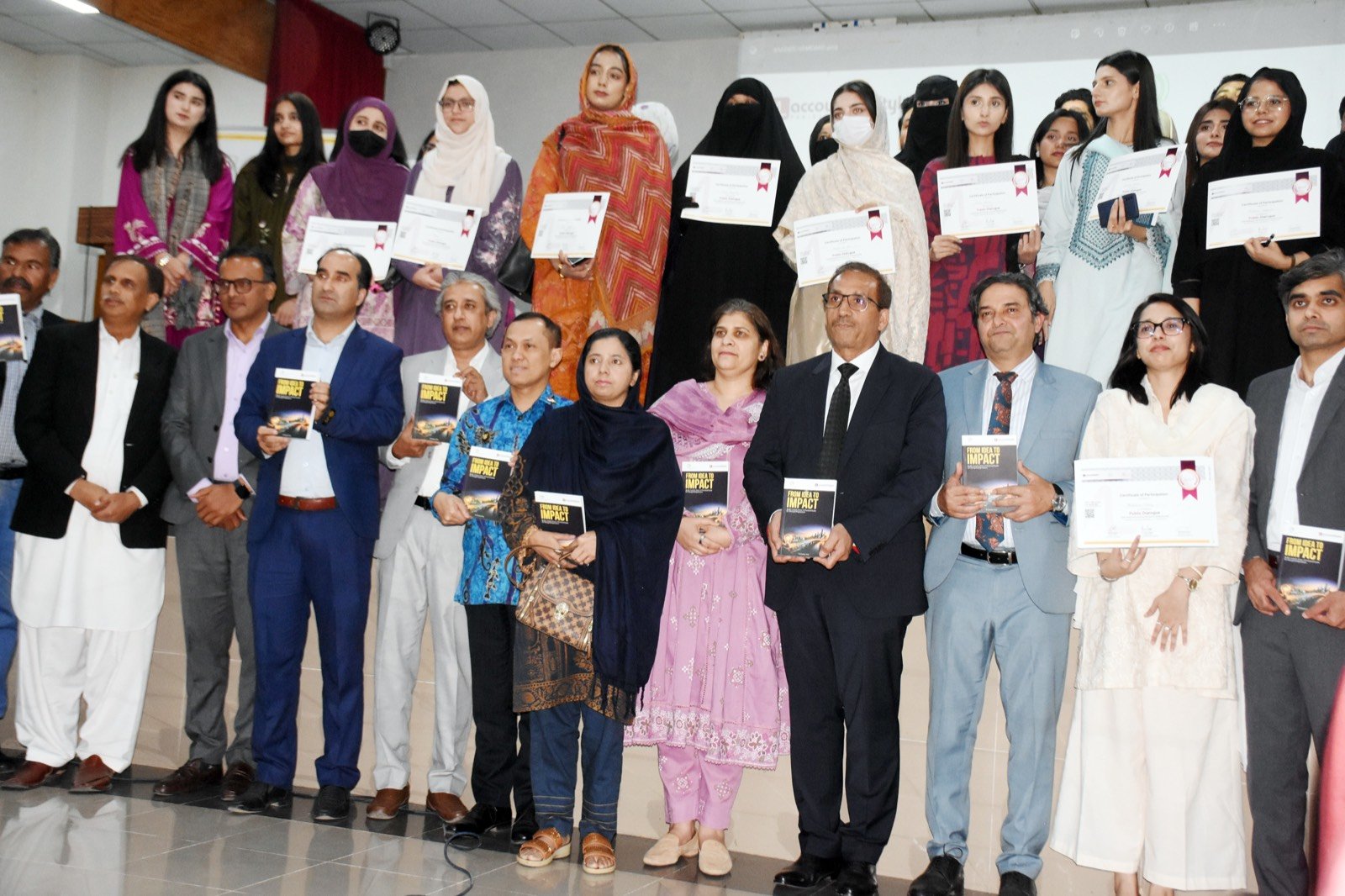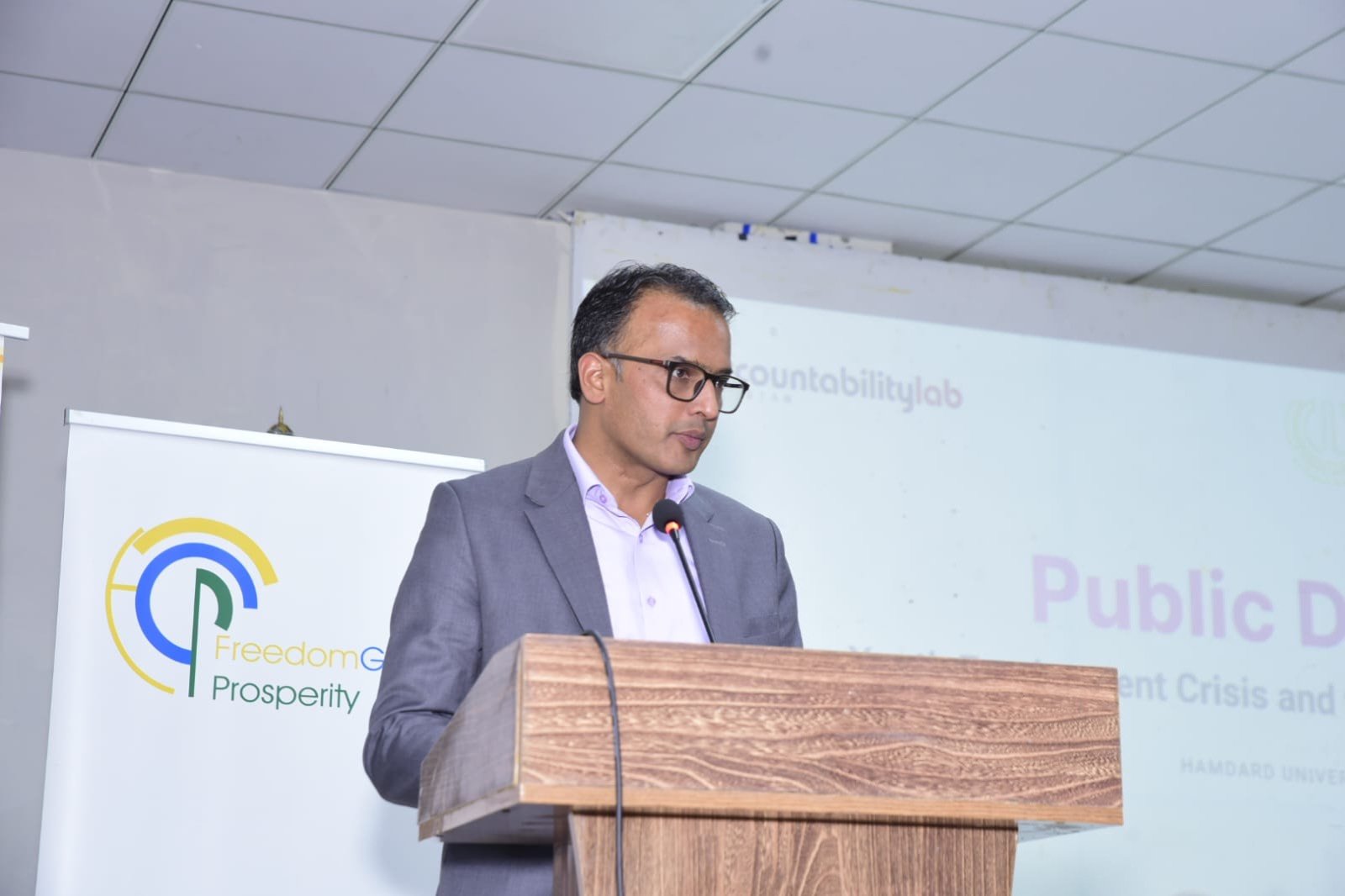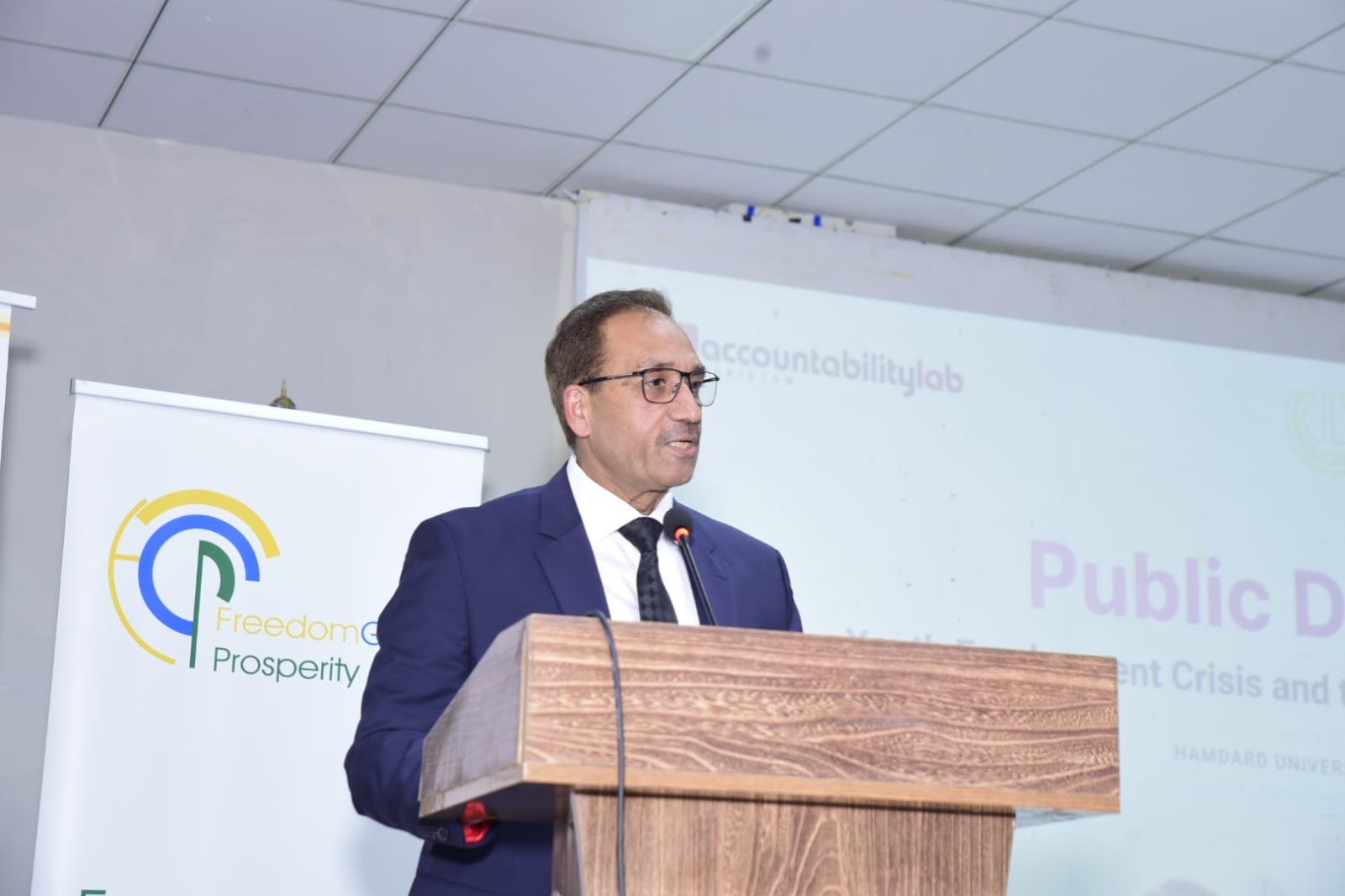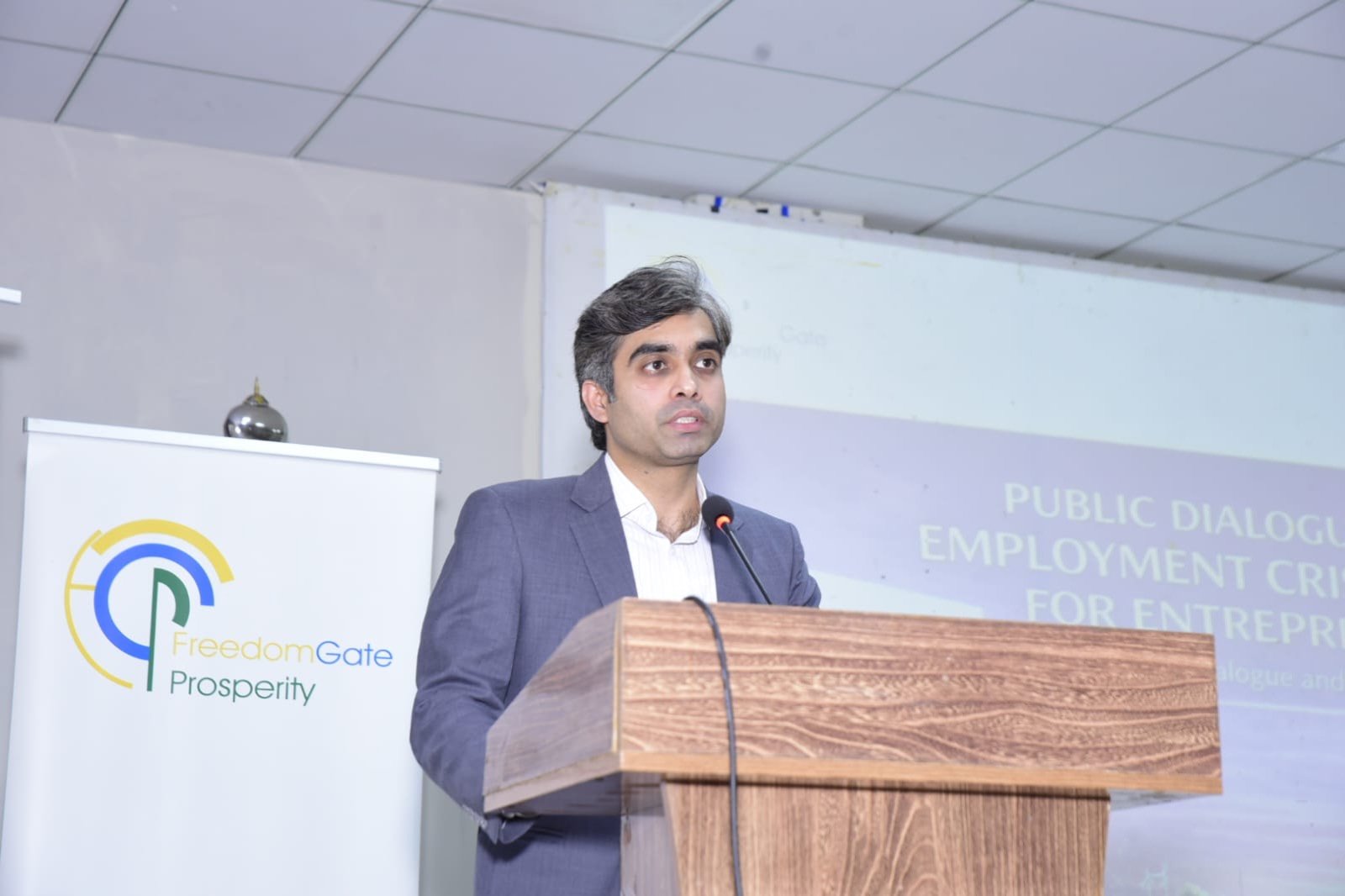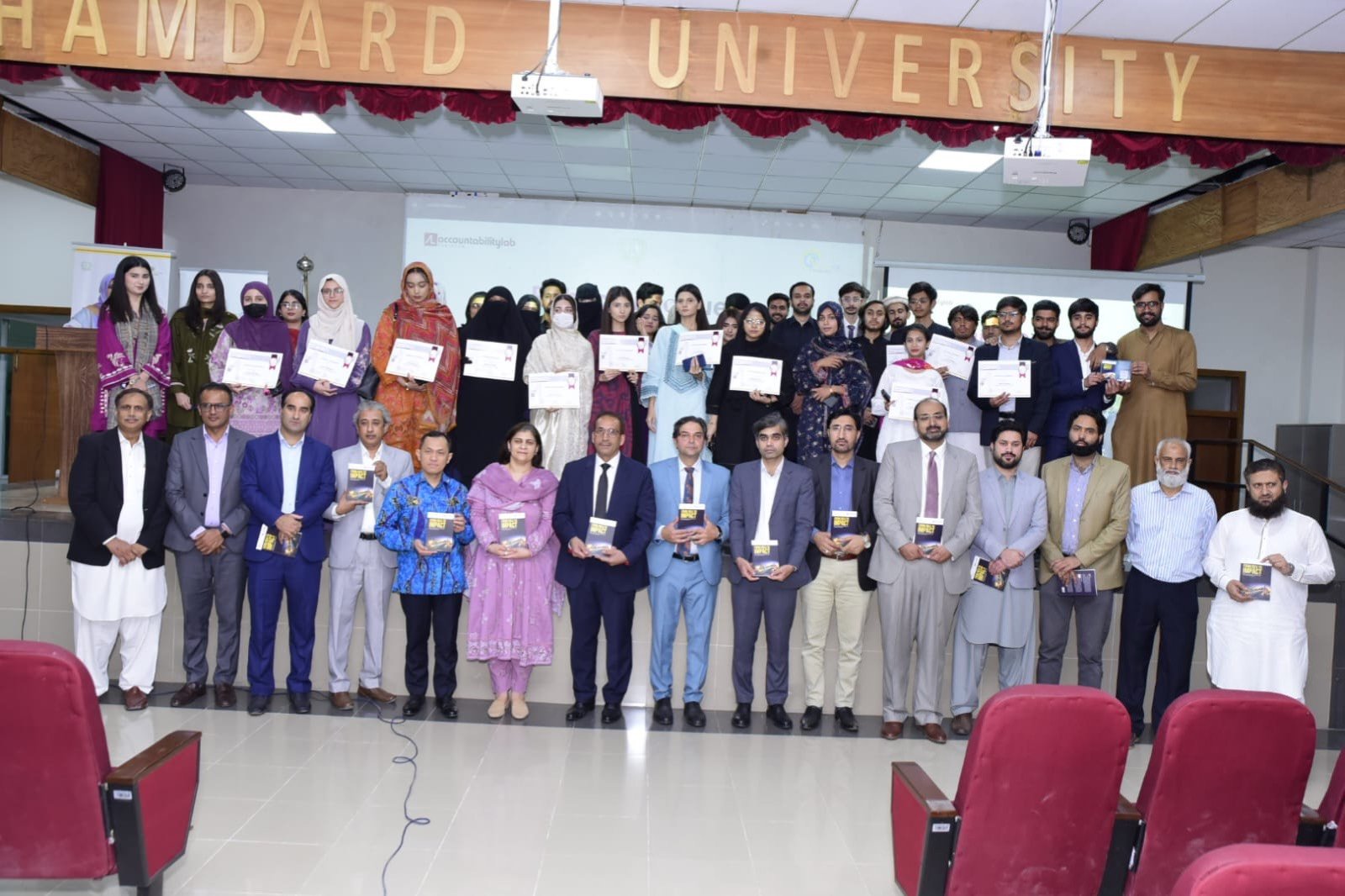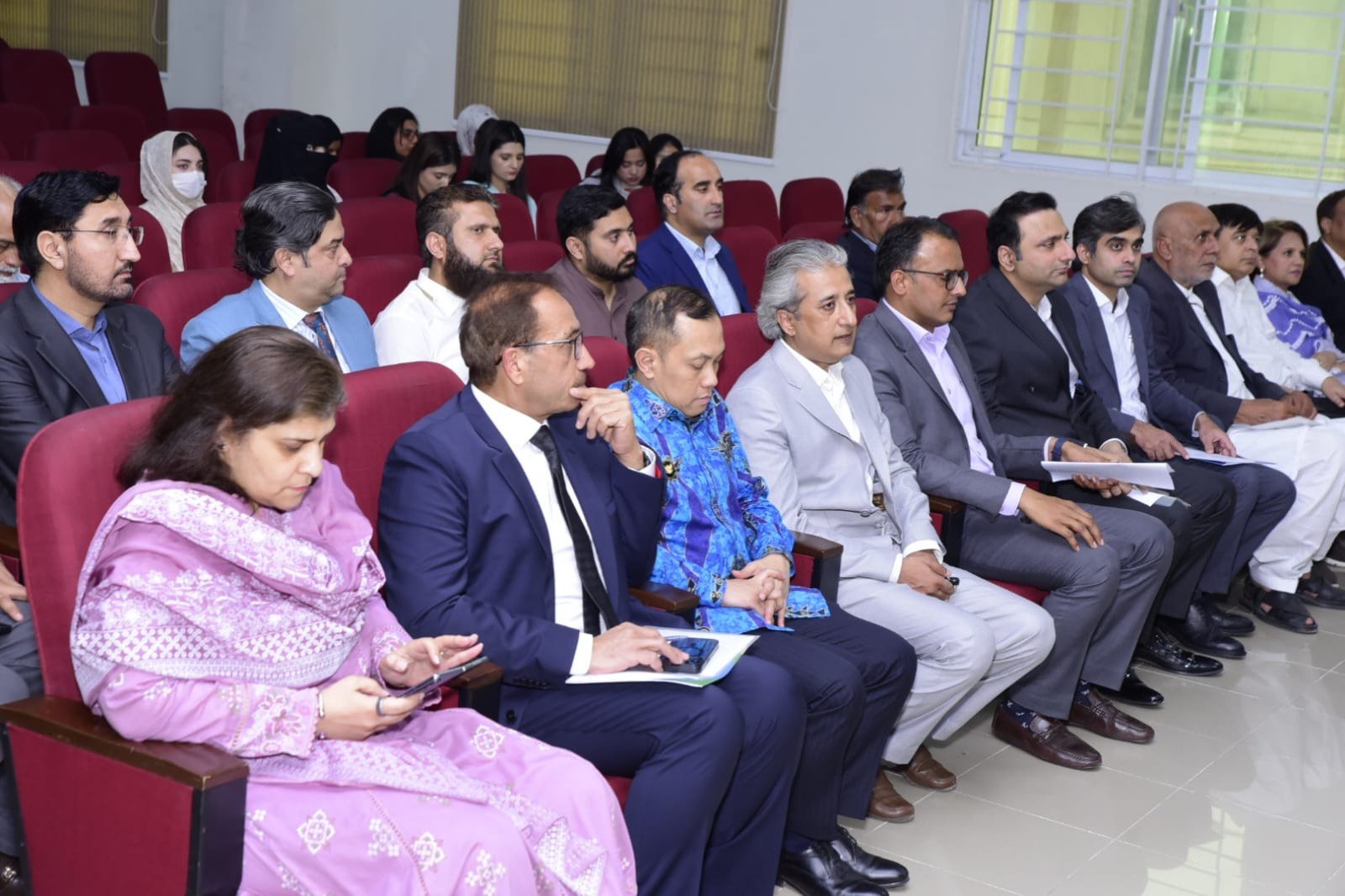
Freedom Gate Prosperity, in collaboration with Accountability Lab Pakistan and Hamdard University Islamabad Campus, organised a public dialogue on Pakistan’s youth employment crisis and the role of entrepreneurship in creating sustainable economic opportunities.
The dialogue, held in Islamabad on 11 March 2026, brought together policymakers, academics, development practitioners, entrepreneurs and young participants to discuss practical measures for equipping Pakistan’s youth with the knowledge, skills, confidence and institutional support required to respond to a rapidly changing economic environment.
During the event, participants were also introduced to From Idea to Impact, a book by Dr Shahbaz Tariq. The publication offers practical guidance on transforming innovative ideas into viable entrepreneurial initiatives and creating meaningful economic and social impact.
Practical Skills Essential for Youth Empowerment
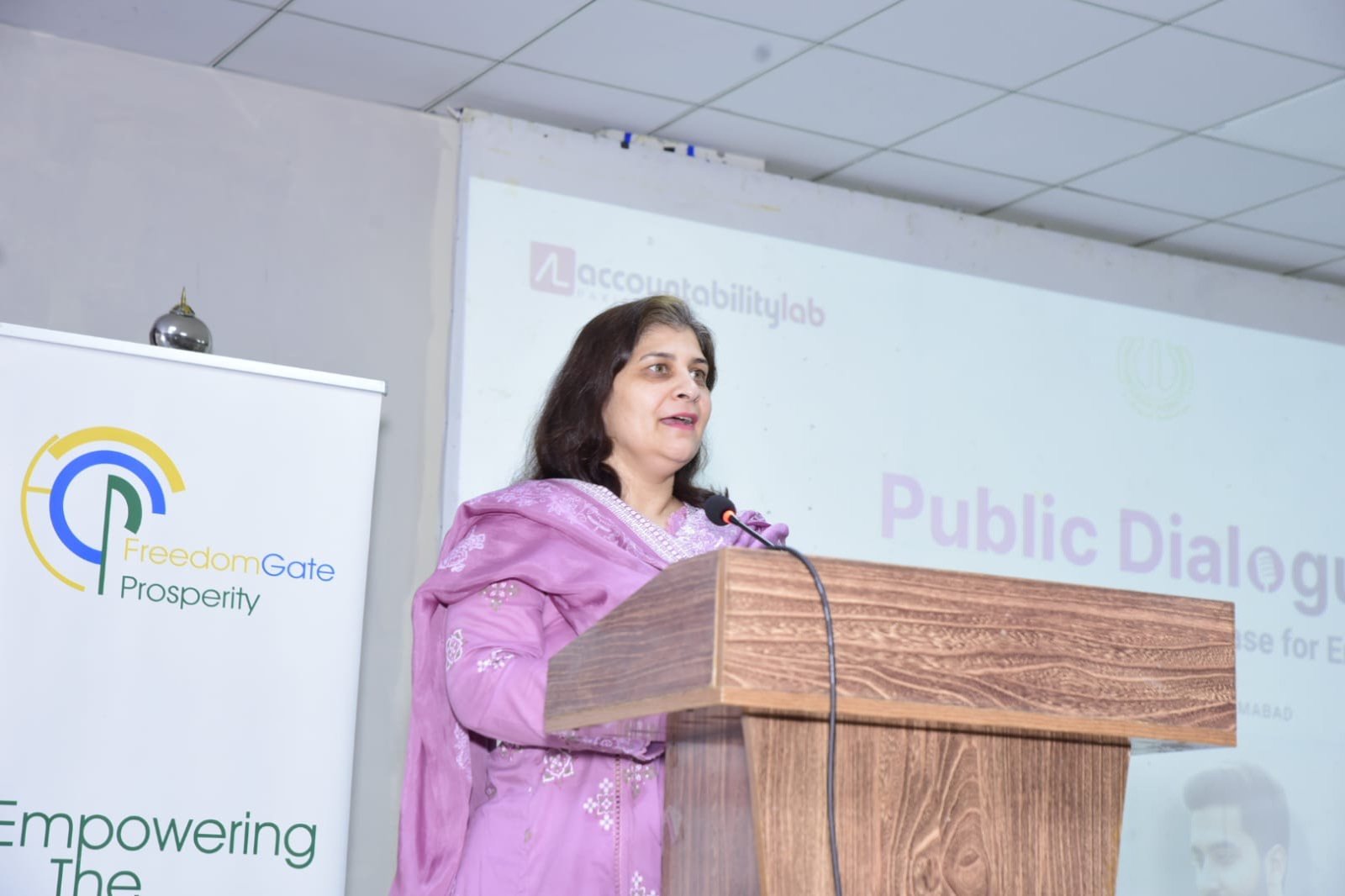
Ms Gulmina Bilal Ahmad, Chairperson of the National Vocational and Technical Training Commission (NAVTTC), delivered the keynote address. She emphasised that young people must be equipped with practical knowledge, technical skills and entrepreneurial capabilities to navigate Pakistan’s current economic challenges.
She observed that strengthening technical and vocational education, together with promoting entrepreneurship, could open new pathways for youth employment. Such an approach would enable young people to move beyond searching for limited employment opportunities and become creators of jobs, enterprises and innovative solutions.
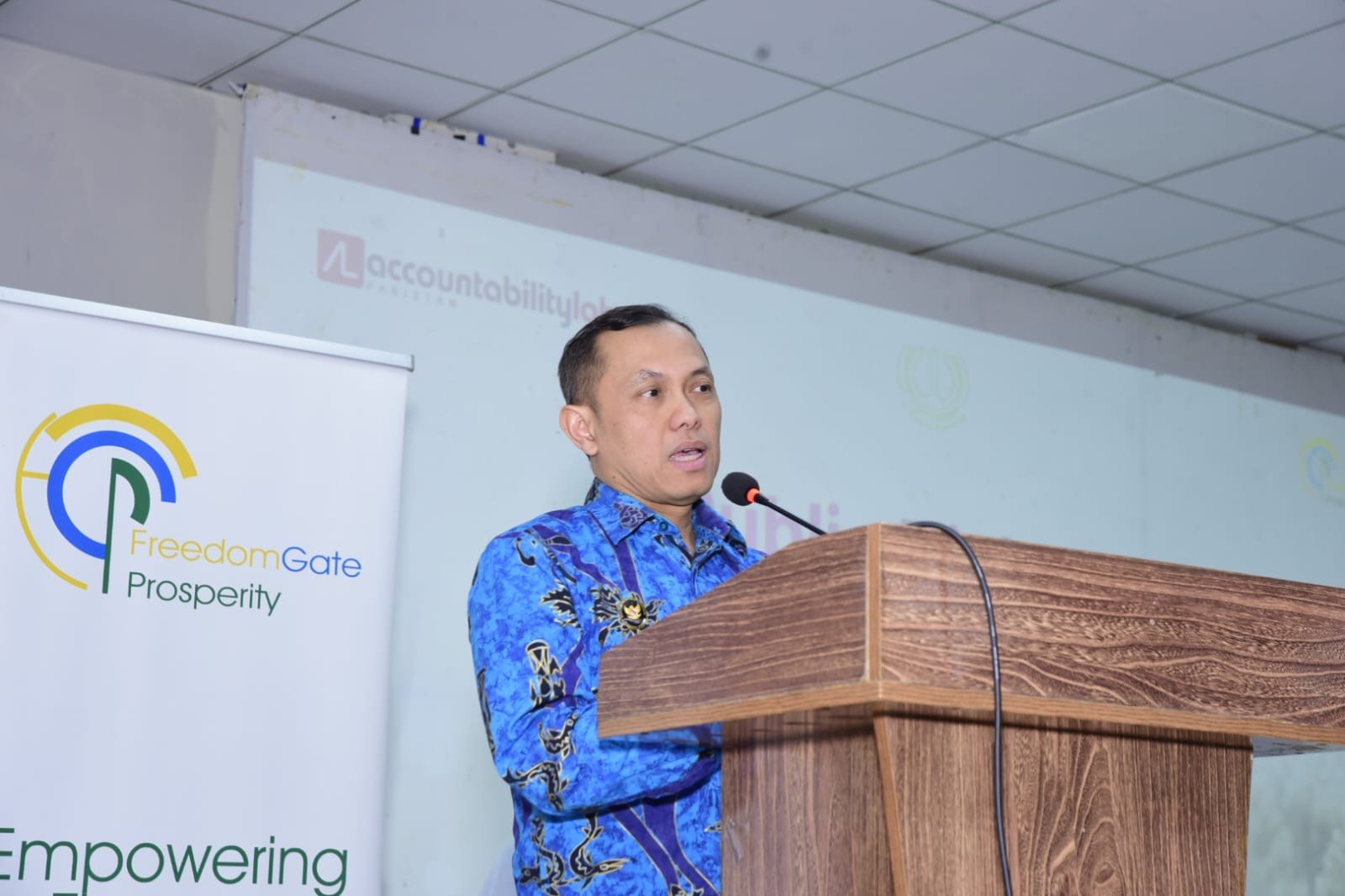
Mr Rahmat Hindiarta Kusuma, Minister Counsellor for Information, Social and Cultural Affairs at the Embassy of Indonesia in Pakistan, shared Indonesia’s experience in promoting youth entrepreneurship through supportive policies, skills-development programmes and innovation-driven partnerships.
He highlighted the importance of cross-cultural cooperation, strong entrepreneurial ecosystems and collaboration among public institutions, universities and the private sector. He noted that such partnerships could help young entrepreneurs transform promising ideas into sustainable businesses.
Collaboration Needed to Address the Employment Crisis
Welcoming the participants, Mr Muhammad Anwar, Chief Executive Officer of Freedom Gate Prosperity, highlighted the growing urgency of addressing youth unemployment through innovation, enterprise and coordinated institutional action.
He said Pakistan’s young population represents an enormous national asset, but this potential can only be realised if young people are provided with meaningful opportunities, practical skills, mentorship and access to supportive networks.
“Creating an enabling environment for youth entrepreneurship requires sustained collaboration among government institutions, universities, development organisations, the private sector and aspiring entrepreneurs.”
Mr Shahzad Afzal Kayani, Director of the Quality Enhancement Cell at Hamdard University, appreciated the collaborative initiative and emphasised the role of partnerships among academia, industry and the development sector in nurturing entrepreneurial thinking.
Mr Syed Raza Ali, Program Manager at Accountability Lab Pakistan, underscored the importance of institutional partnerships that encourage transparency, innovation and meaningful youth participation in development initiatives.
He noted that nearly two-thirds of Pakistan’s population is under the age of 30, while more than 44 million people are between the ages of 15 and 24. This demographic strength, he observed, could become a powerful driver of national prosperity if young people were given credible pathways towards employment, enterprise and economic participation.
Turning Ideas into Meaningful Impact
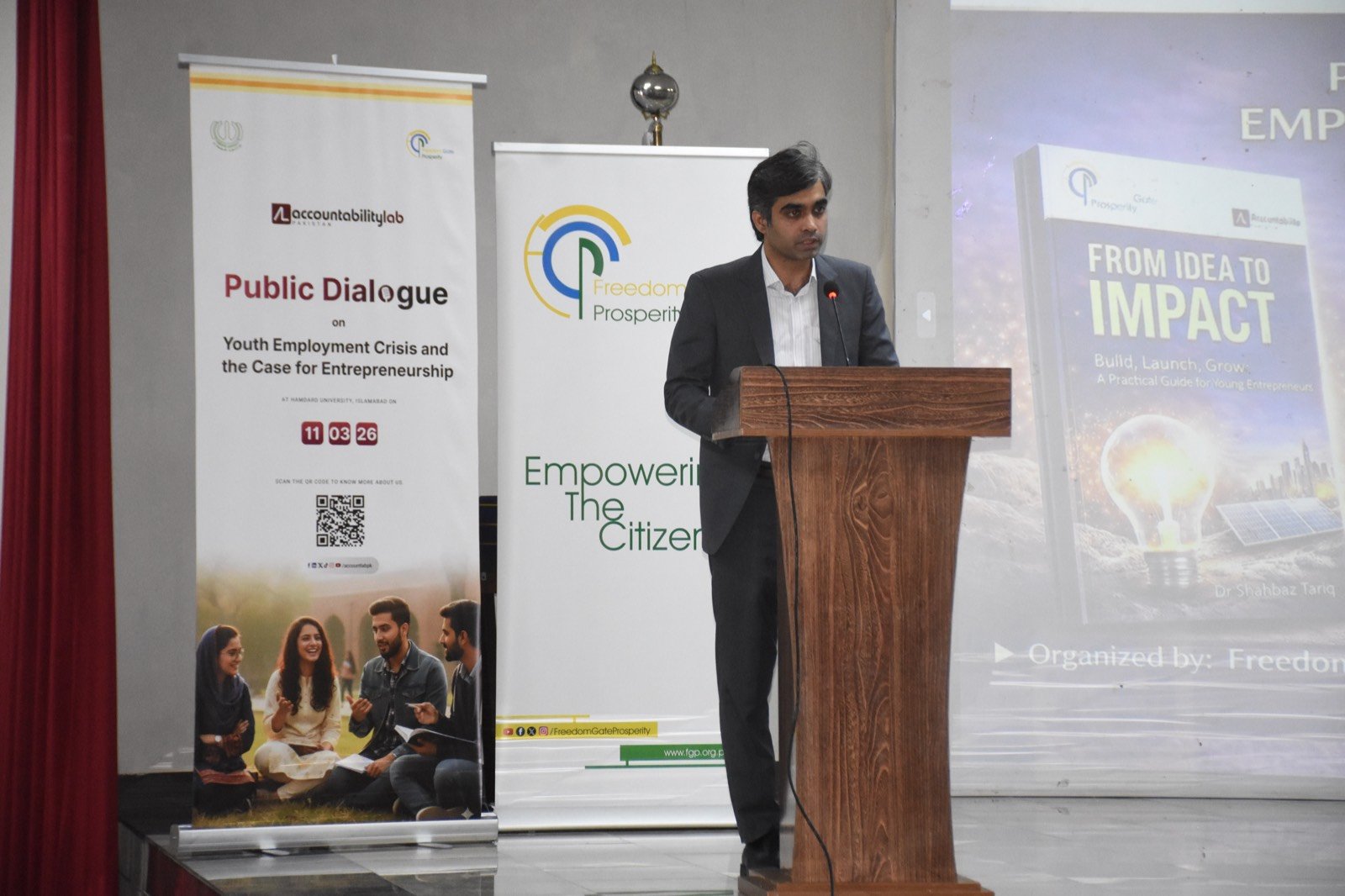
Providing thematic insights, Dr Shahbaz Tariq, Head of Research at Freedom Gate Prosperity and author of From Idea to Impact, discussed the importance of entrepreneurial thinking for Pakistan’s youth.
He explained that ideas alone are not enough. Young people also require practical knowledge, structured planning, mentorship, access to networks and an understanding of how to convert concepts into sustainable initiatives.
The introduction of From Idea to Impact complemented the dialogue by offering participants a practical resource focused on moving from inspiration to implementation. The book encourages aspiring entrepreneurs to identify opportunities, develop workable solutions and build initiatives capable of producing measurable economic and social value.
From Idea to Impact — Build, Launch, Grow
A practical guide for young entrepreneurs by Dr Shahbaz Tariq, Head of Research at FGP — from identifying opportunities to building initiatives that deliver real economic and social value.
Explore the BookDuring the expert reflections, Dr Ansar Abbas, Associate Dean of the Faculty of Management Sciences at Hamdard University, highlighted the responsibility of universities to promote research, innovation and entrepreneurial learning.
He stressed that higher education institutions should provide students with the knowledge, mentorship and practical exposure needed to develop ideas, test solutions and establish sustainable enterprises.
The dialogue also featured a practical entrepreneurial case study presented by Mr Waqas Khaleeq, Chief Executive Officer of Smart Solar, Lahore. Sharing his experience of developing a clean-energy business, he encouraged young participants to pursue innovation-driven solutions to Pakistan’s emerging economic, environmental and development challenges.
Building an Enabling Ecosystem
Participants agreed that addressing the youth employment crisis requires a comprehensive approach. The key building blocks identified during the dialogue included:
A Comprehensive Approach
Priorities identified for tackling youth unemployment through enterprise.
- Market-relevant education
- Technical and vocational skills
- Digital capabilities
- Entrepreneurship and innovation
- Access to finance
- Sustained mentorship
Participants also emphasised that young women, students from underserved communities and aspiring entrepreneurs outside major urban centres must be included in national employment and enterprise-development initiatives.
The dialogue concluded with a shared understanding that Pakistan’s youth should not be viewed merely as beneficiaries of development programmes. They must be recognised as innovators, entrepreneurs, community leaders and active partners in building a more inclusive and prosperous country.
The event and the introduction of From Idea to Impact received extensive coverage across national, English-language, Urdu-language and digital media outlets, helping bring the conversation on youth employment and entrepreneurship to wider audiences across Pakistan.